
Why Everyone Is Looking North: The New Era of Nordic Hospitality
We live in a world of immediacy and digitalization, where things can happen in a second with just a few taps on a phone screen.
However, the faster and more digital our lives become, the more we seem to crave the opposite.
Slowness. Nature. Locality.
The feeling that something is real. Could that be the reason the Nordics continue to draw us in?
This influence now stretches far beyond the region itself. Nordic ideas have helped reshape how hotels, restaurants and wellness destinations think about luxury: replacing formality with informality, excess with simplicity and manufactured experiences with a stronger connection to place. What began as a regional sensibility has become an international hospitality language
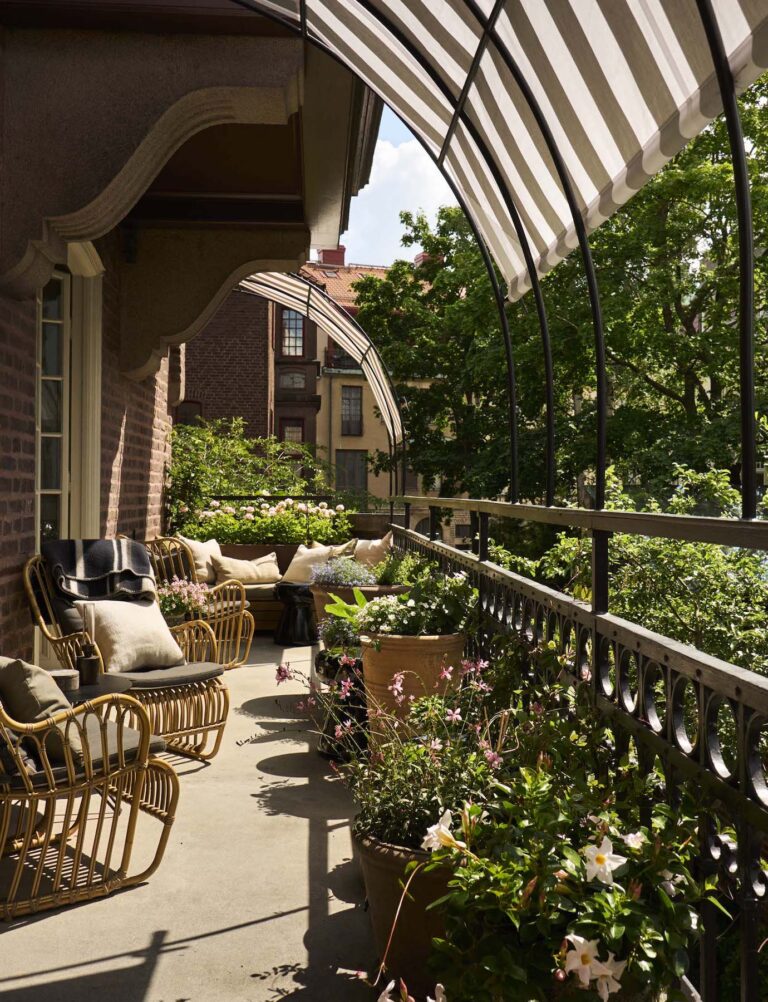
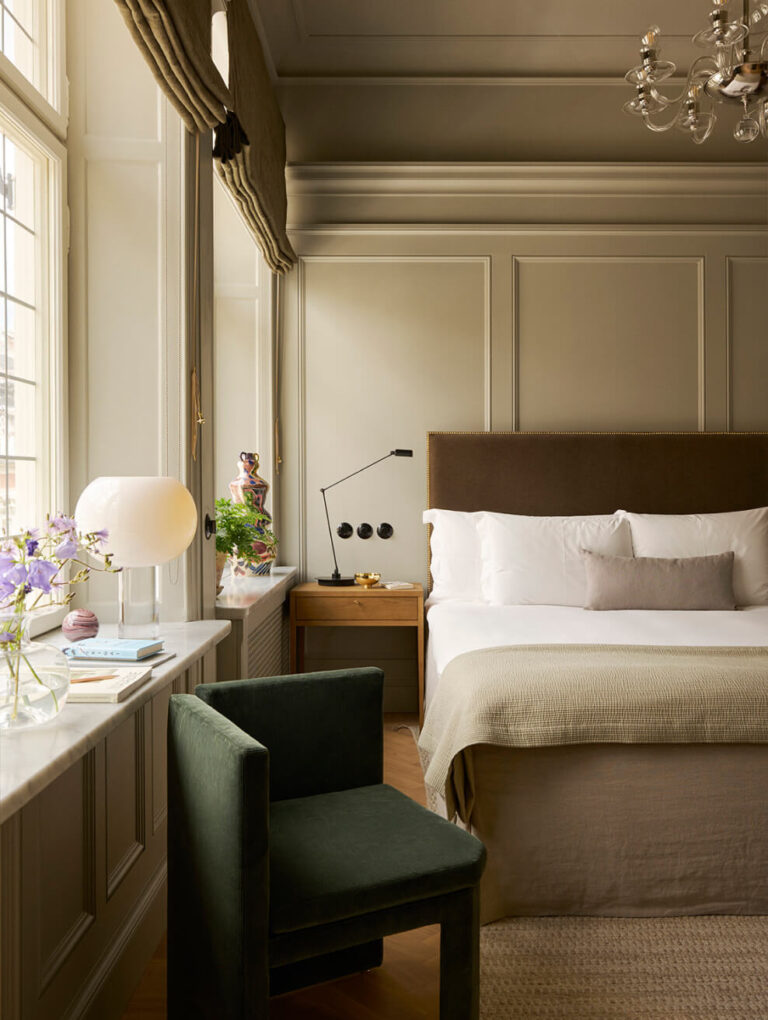
As hygge has become a global trend, what does it truly mean?
Is it simply curling up on the sofa with a blanket and a candle?
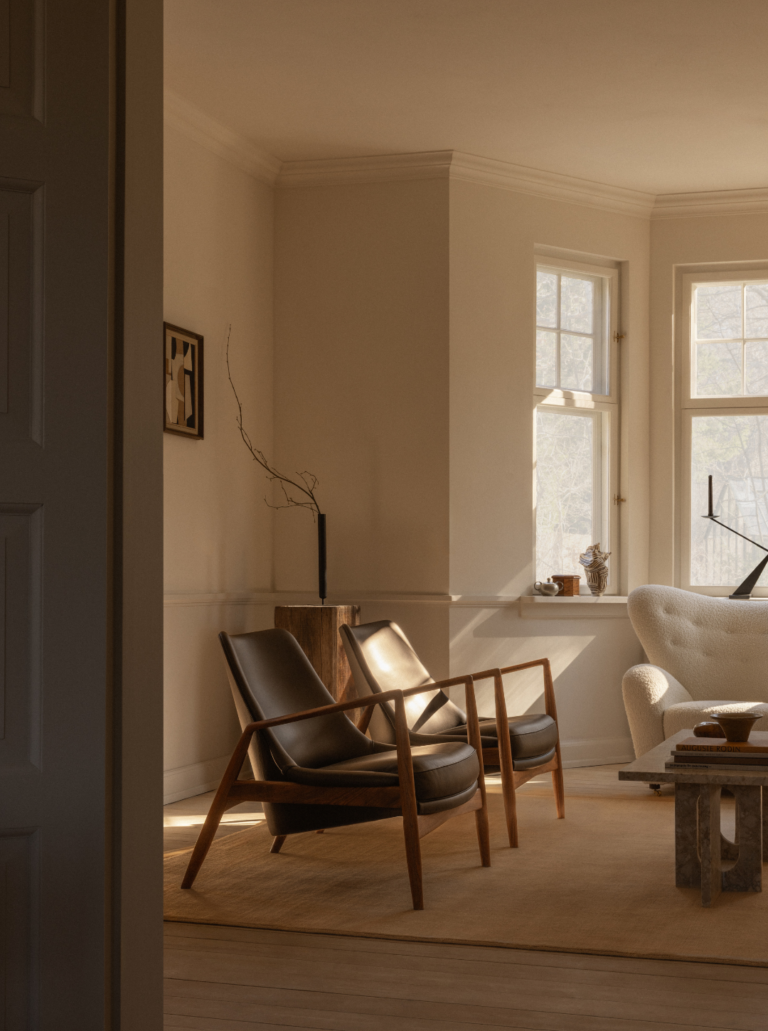
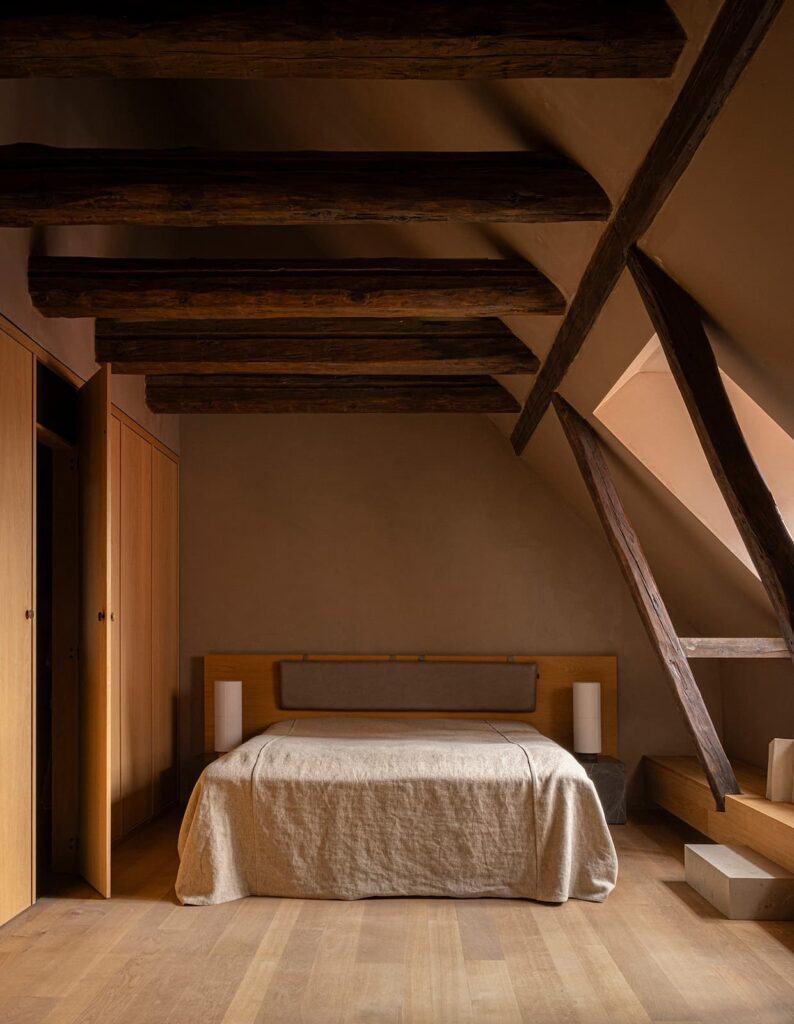
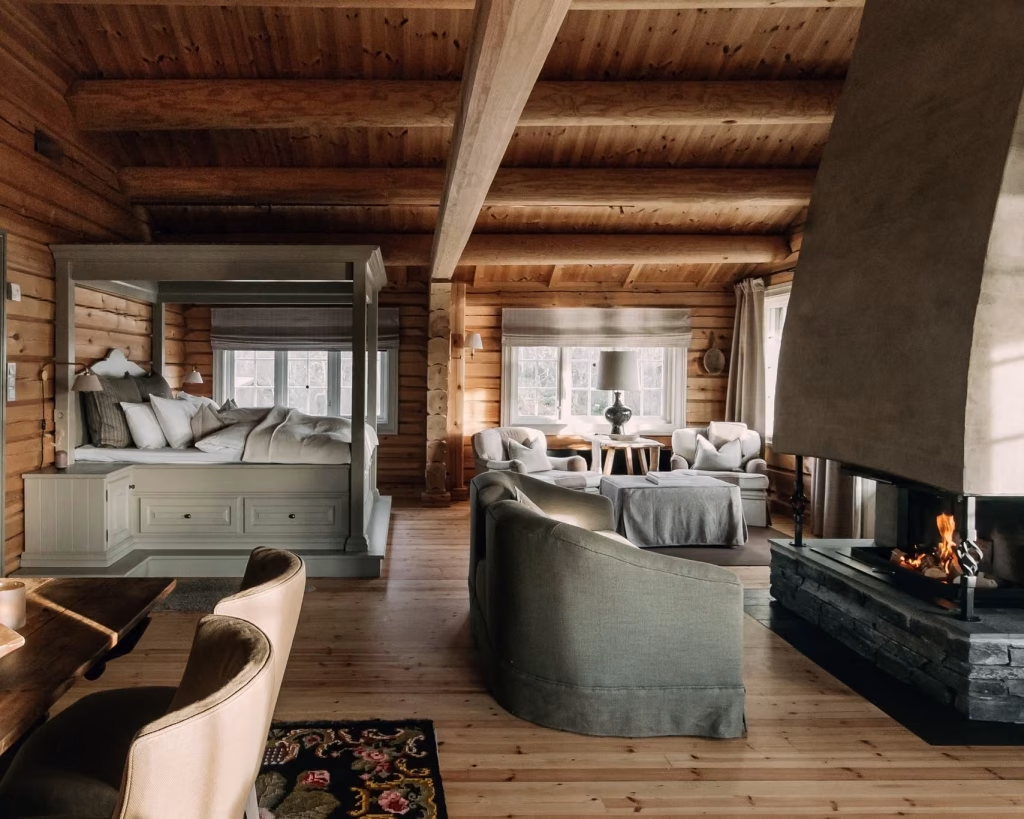
Perhaps - but hygge goes much deeper. It is the feeling of warmth, ease and belonging; the quiet luxury of being completely comfortable.
Nordic hospitality is found in the grand gestures, the smallest details and every moment in between. It is about creating an atmosphere where people feel comfortable, unhurried and, above all, present.
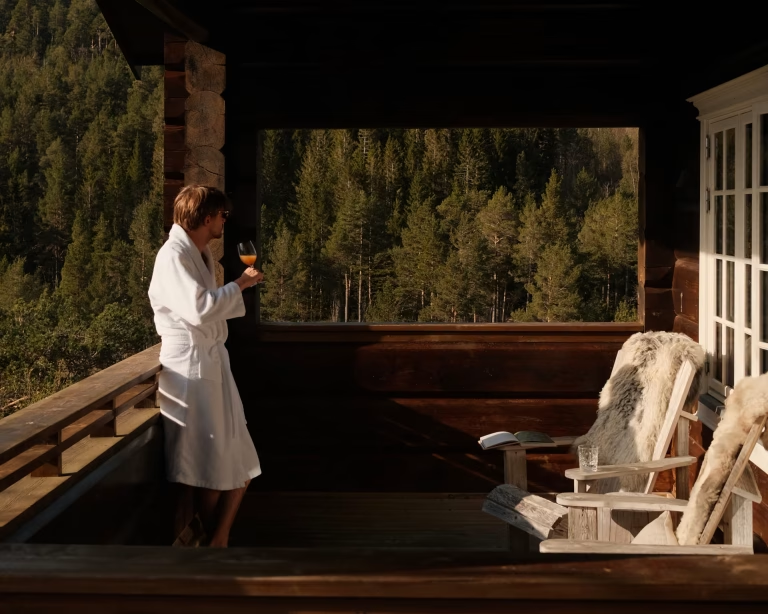
Rooted in warmth, simplicity and intimacy, it invites you to put down your phone, slow down and fully inhabit your own life.
"At Ett Hem in Stockholm, this philosophy is translated into the entire guest experience. Conceived more as a private home than a conventional hotel, it invites guests to read beside the fire, spend time in the garden or gather in the kitchen. Hospitality feels intuitive rather than scripted, showing that luxury can be created through freedom, familiarity and the feeling of belonging - not only through traditional five-star formality."
Perhaps that is why hygge continues to resonate. In a world that asks us to respond faster and consume more, there is something increasingly luxurious about having nowhere else to be but here, now.
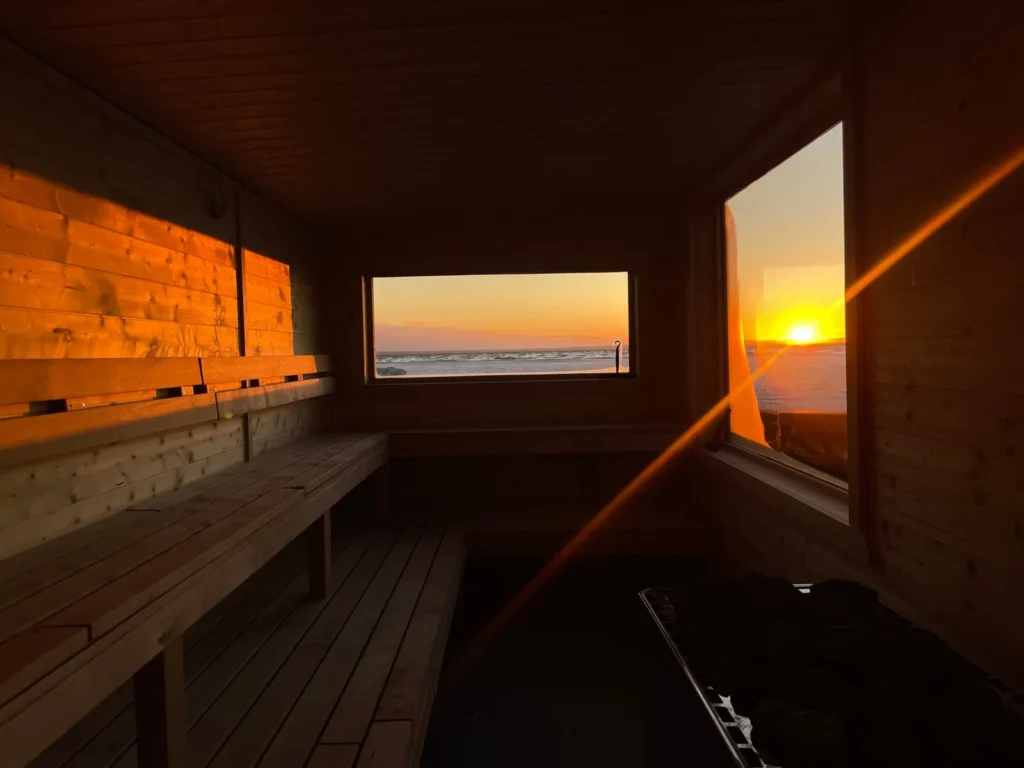
Having the behind-the-scenes feeling of knowing where something comes from, who made it, and what makes it belong to that particular place can make the experience or the product more special and meaningful.
In the Nordics, this shows up in everything from food and materials to craftsmanship and design.
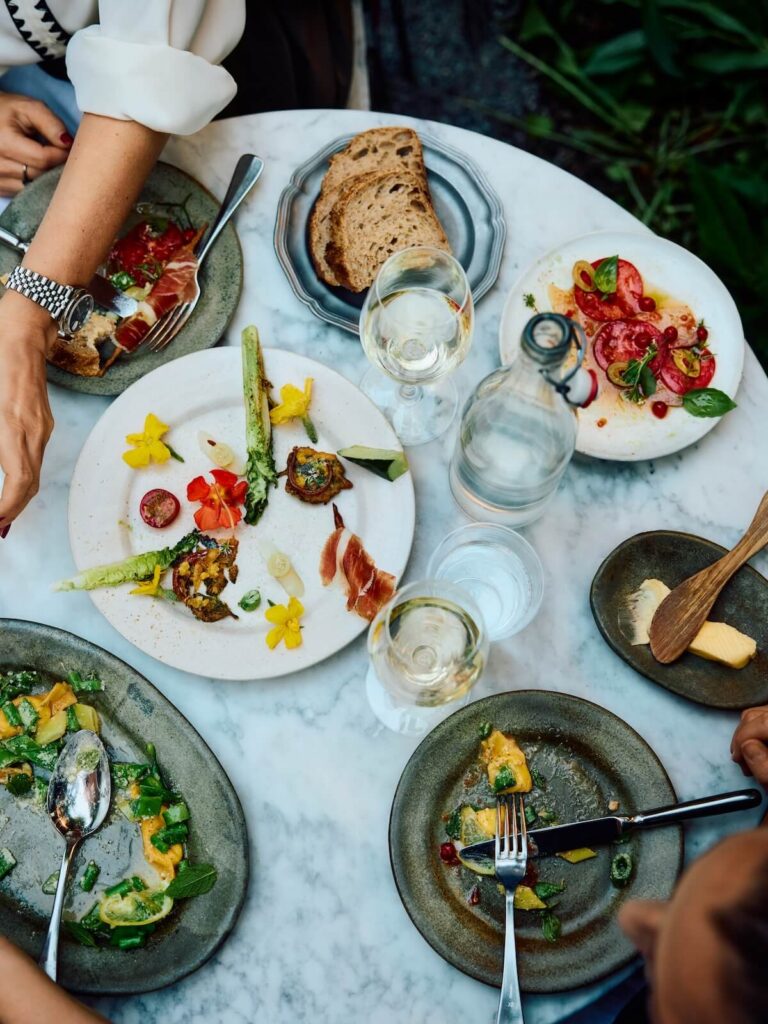
Food becomes connected to the surrounding landscape. With the New Nordic Food Movement, there has been a growing emphasis on freshness, seasonality, simplicity, and ingredients from the Nordic landscape and the local producers who work with it.
"This approach was formalized in Copenhagen in 2004 through the New Nordic Kitchen Manifesto. Its ten principles emphasized seasonality, regional ingredients, ethical production, health and quality. The movement helped turn provenance from background information into part of the dining experience: the origin of an ingredient, the landscape that produced it and the person who cultivated it became central to the story of the meal."
Instead of simply being served a meal, you get a little piece of where you are on the plate.
And perhaps it’s about who you are with.
Across the region, restaurants and hotels are making this connection visible through menus shaped by the season, partnerships with nearby farms, preservation techniques such as fermenting and pickling, and communal tables that encourage guests to share the experience. The meal becomes more than something consumed; it becomes an introduction to the climate, culture and community surrounding the property.
The same feeling goes beyond food.