

Beautiful hotels are everywhere, but memorable ones are not.
In an industry increasingly saturated with curated aesthetics and minimalism, hospitality properties can quickly begin to look interchangeable.
The properties that stay with us long after we leave tend to offer more than the building: a living relationship with place, people, history, or purpose. It is embedded in the landscape, the details, and the people caring for the property each day.
So, what makes one hotel endure in our consciousness while another dissolves from memory? And what makes a hotel’s story worth telling?
Across the Nordics, five very different properties offer five different answers.
Can smallness create a stronger sense of place than scale?
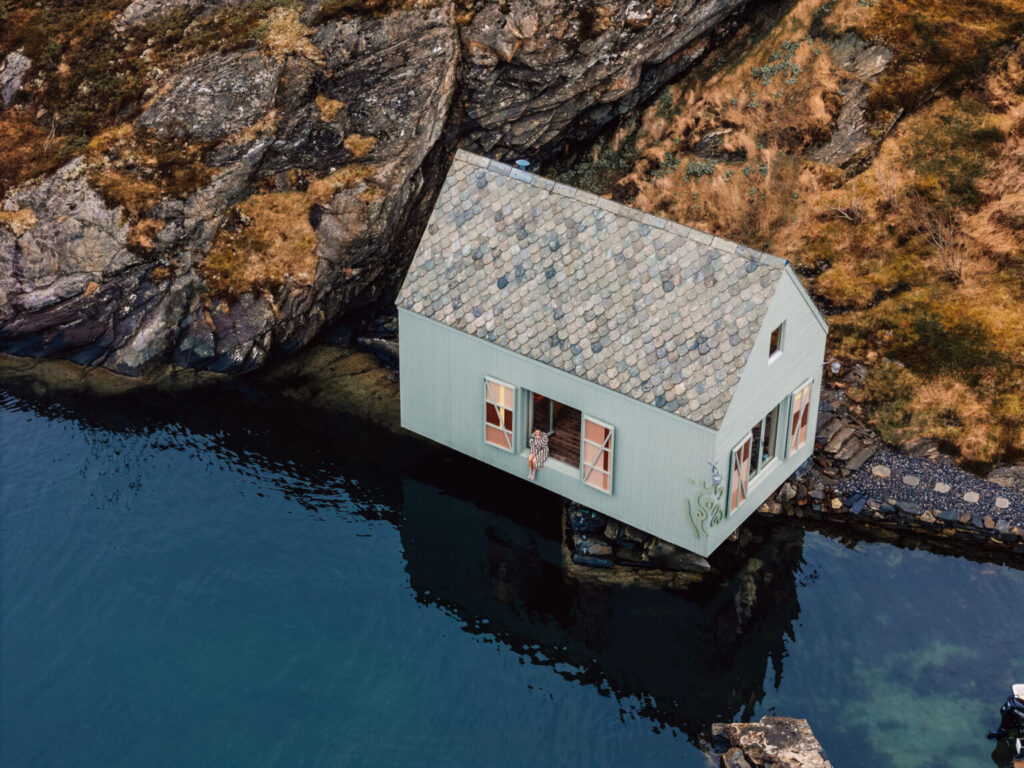
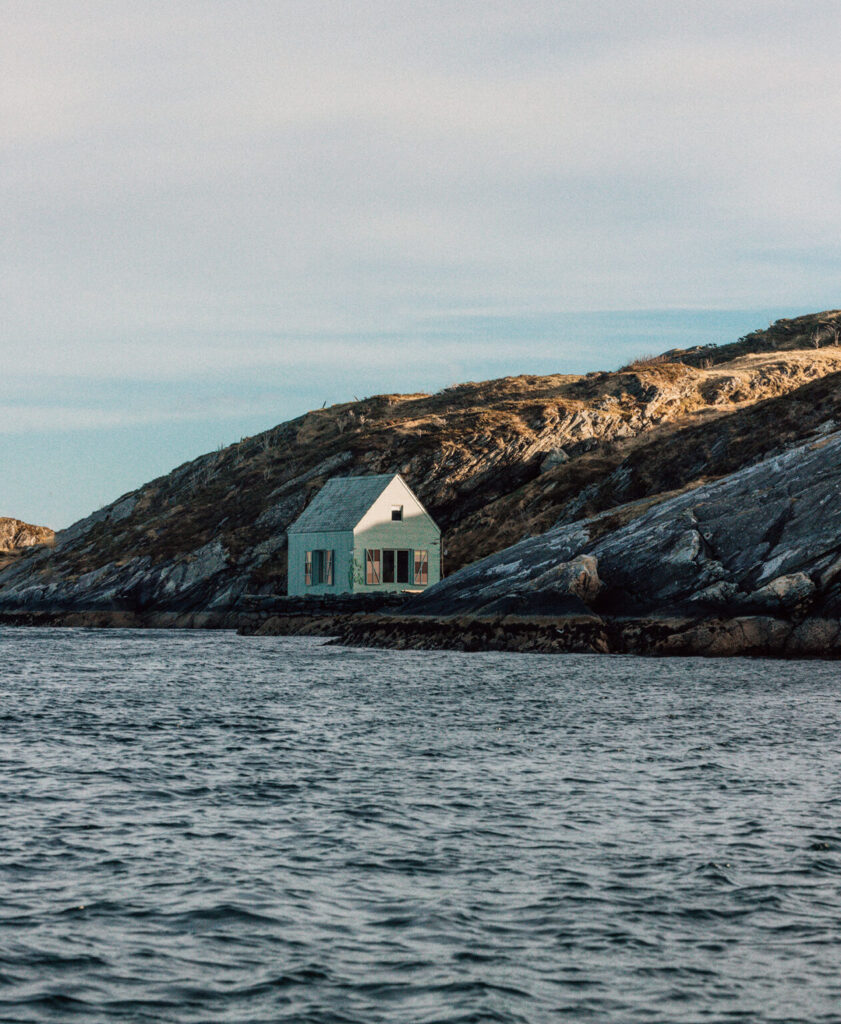
Perched on the islet of Midtøy, reached by a short boat crossing north of Bergen, Lilløy Lindenberg operates at an intensely intimate scale. This secluded retreat accommodates ten guests across four bedrooms between a farmhouse and an oceanfront boathouse.
Lilløy goes beyond conventional accommodation with its handmade ceramics, locally blown glass, paintings by a local artist, and bedding filled with island seaweed. Its low-waste culinary philosophy centers on seaweed harvested from its own underwater farm alongside regional produce.
“We believe in honouring nature’s gifts and using them in a sustainable way, inspired both by the traditions of this place and by the sense of connection and community we share today.”
— Antje de Vries, Lilløy Lindenberg (Swoon by SLH – “Turning nature into nourishment on a remote Norwegian island”)
When a hotel is this deeply rooted in its surroundings, its most compelling narrative is often already there. The story is already there, in the landscapes, the food, the details that belong to a place…and nowhere else. Storytelling simply gives those details meaning, helping guests notice what makes the experience unique.
Photo: Small Luxury Hotels of the World / Lilløy Lindenberg
A hotel becomes fundamentally more memorable when it cannot exist anywhere else.
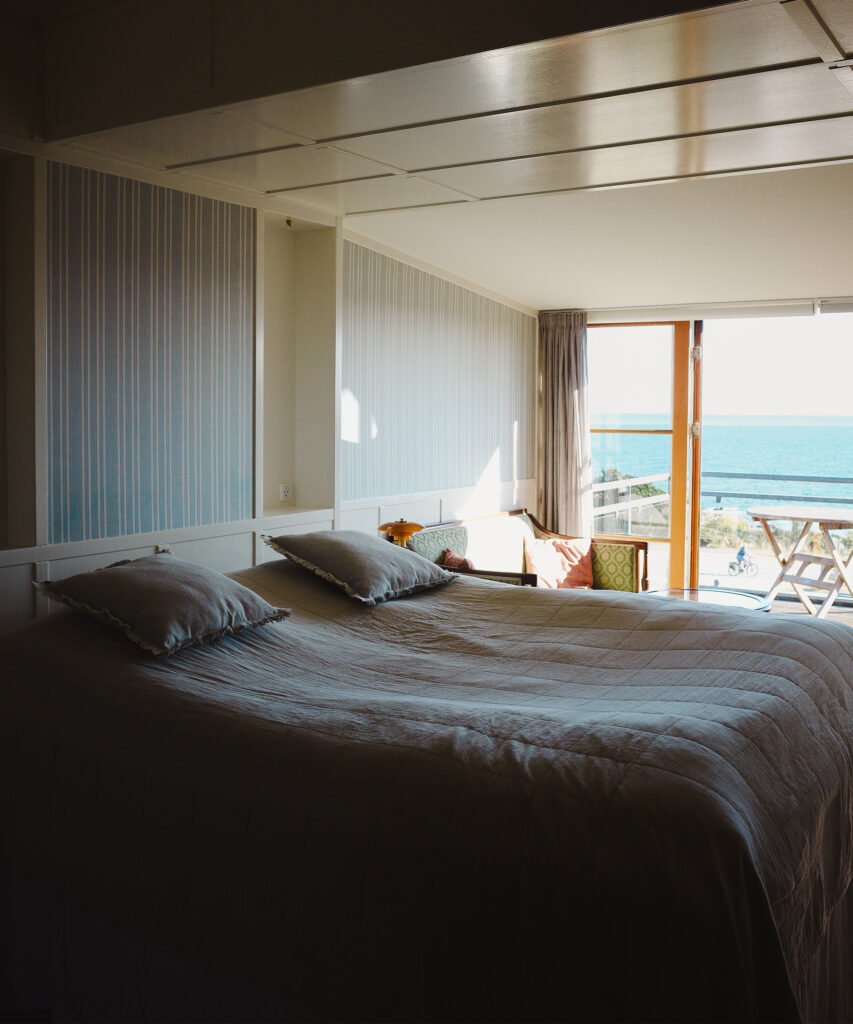
Set directly into the granite landscape of the Danish island of Bornholm, Stammershalle Badehotel has been over-looking the Baltic Sea for more than a century. What emerged in 1911 as a private summer residence was later transformed into a destination shaped by the island’s coastal reality. Its yellow timber facade still faces open water toward the small island of Christiansø, framed by shifting northern light.
That relationship informs the stay from the ground up: the landscape shapes the experience, while the menu reflects Bornholm’s seasonal produce.
“The forest, the sea, and the cliffs here create a special kind of magic that cannot be found elsewhere.”— Per Voss, Managing Director, Stammershalle Badehotel
Stammershalle demonstrates why a sense of place cannot simply be curated. A picturesque view can be photographed anywhere, but an enduring property lets its surroundings shape the experience of hospitality itself.
Photo: Tipster / Stammershalle Badehotel
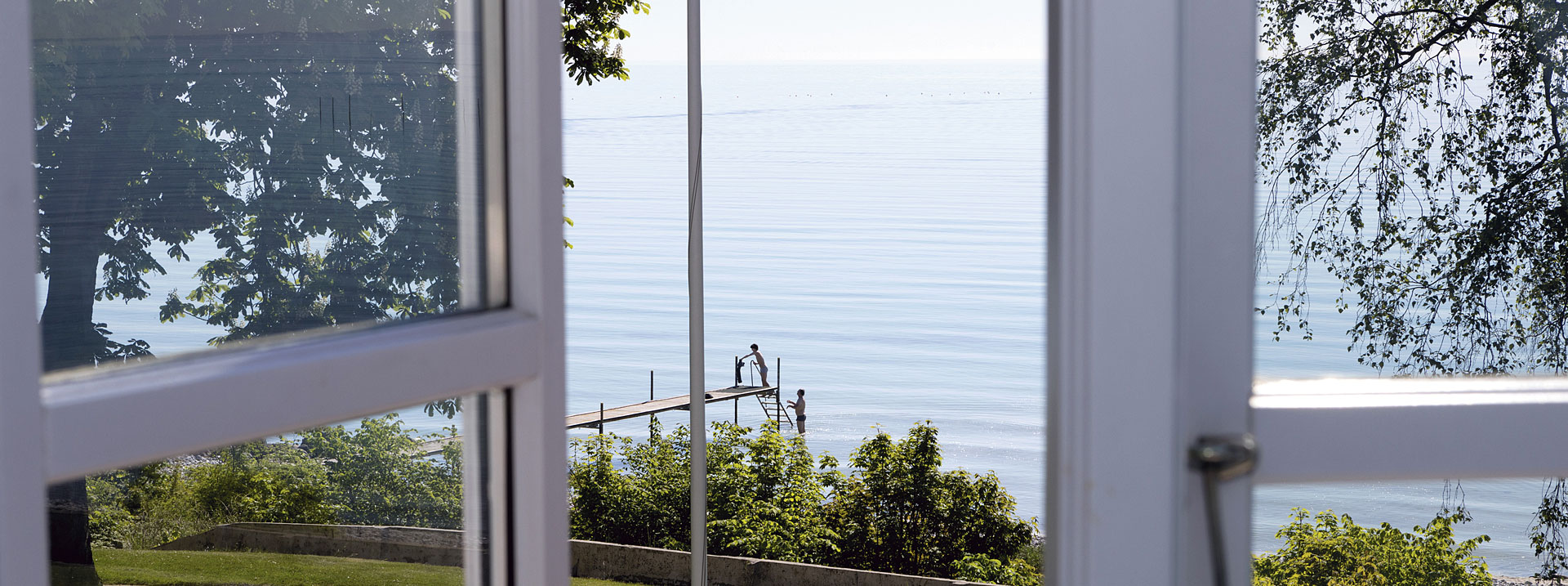
Photo: Rødvig Kro & Badehotel
Overlooking the Baltic Sea along the cliffs of Stevns Klint in Denmark, Rødvig Kro & Badehotel is sustained by genuine multi-generational stewardship. Run today by Jonas and Kathrine Skaaning, the property continues the family story that began when Jonas’s parents took over the historic inn in 1990.
“People come here to slow down. To experience the sense of presence and atmosphere, and to enjoy our homemade food.” — Kathrine Hendriksen, Rødvig Kro & Badehotel
That continuity is not communicated through branded taglines; it is lived through the physical fabric of the space. Over decades of quiet renovations, family members introduced their own heirlooms, regional paintings, and maritime tableware into the dining salons, allowing the hotel to accumulate character organically rather than sourcing it from a catalogue.
The story feels credible because the people telling it have actually lived it.
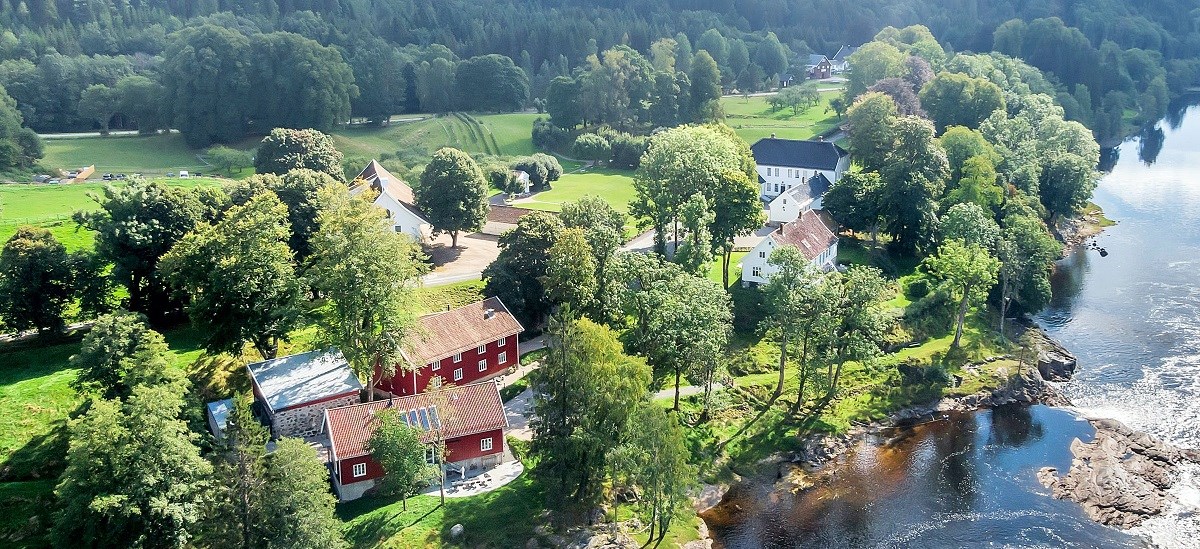
Photo: Boen Gård
“There is history in every metre here.”— Johan Olsen, owner of Boen Gård (Næringsforeningen i Kristiansandsregionen).
How does an historical estate honour its past without turning into a museum?
Long before it welcomed guests, Boen Gård was defined by the Its history stretches back to 1520, intertwined with timber production and the wild Atlantic salmon that drew European travellers to its banks. When the estate reopened, it avoided the temptation of passive preservation; instead, Boen Gård chose to give its history a new chapter.
“At Boen Gård, we are committed to using high-quality, locally sourced ingredients. We get them from our own farm or have them delivered by local producers.” — Tomasz Rochon, Head Chef, Boen Gård (Hennig-Olsen Inspirasjonsmagasin PROFF, 2021)
Today, timber outbuildings house guest rooms, while the river and estate produce supply chef Tomasz Rochon’s kitchen.
History is only worth telling when the past is given a living next chapter.
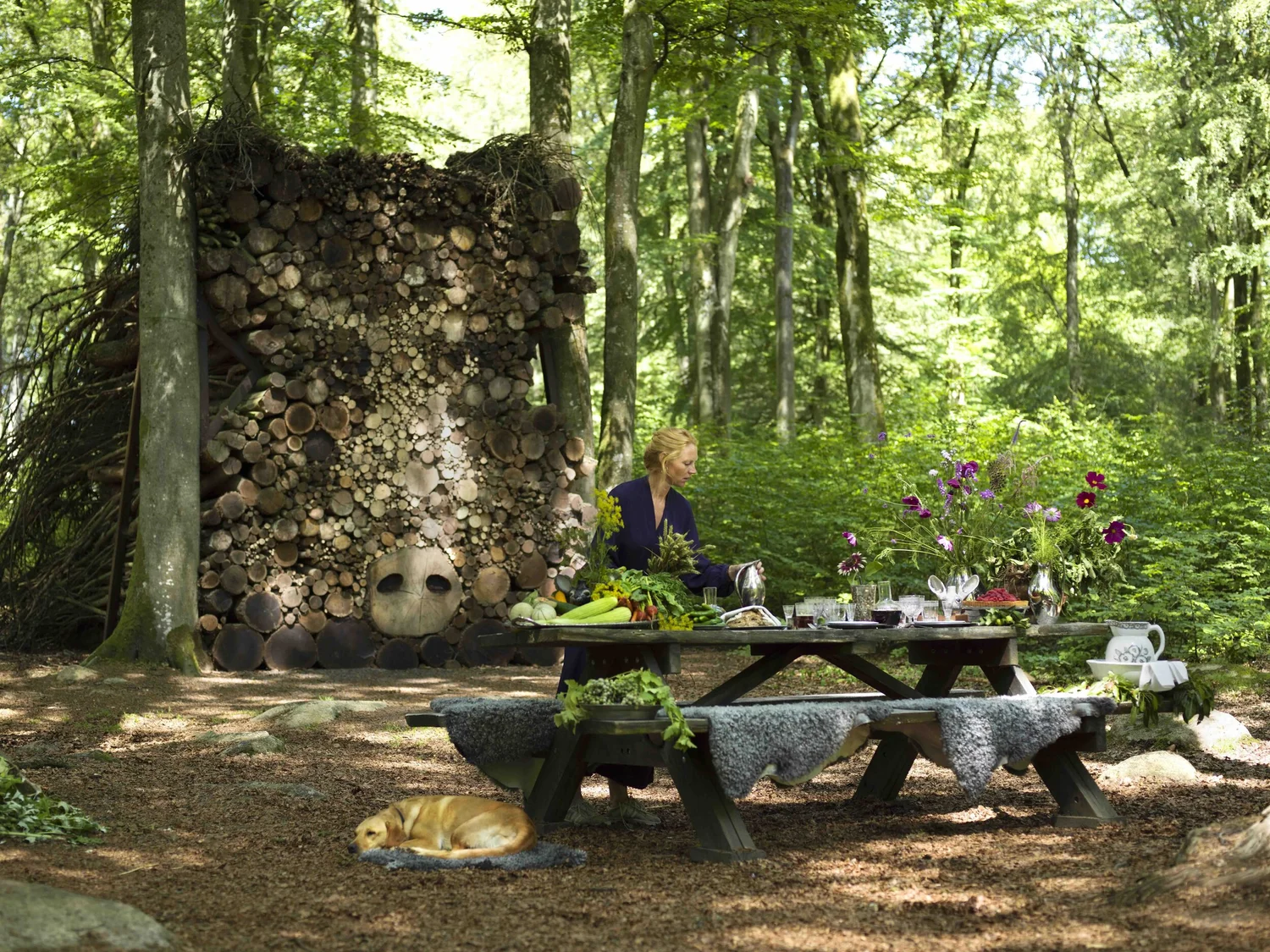
Photo: Wanås Restaurant Hotel / Wanås Konst
At Wanås in southern Sweden, the story extends far beyond the front door, scattered across the forest.
A walk through the grounds leads from historic stone barns into works of contemporary art, through the beech woods and back towards the kitchen, before eventually returning to the table. Here, art, nature, agriculture, and hospitality are not separate concepts; they share the same ground.
“Wanås Restaurant Hotel is a place for cultural and culinary visits, but also a place for the soul.”- Wanås Restaurant Hotel
What makes the estate memorable is not simply the scale of what is there, but the quiet sense that everything belongs. A hotel becomes a world of its own when guests aren’t merely told a story; they find themselves walking through it
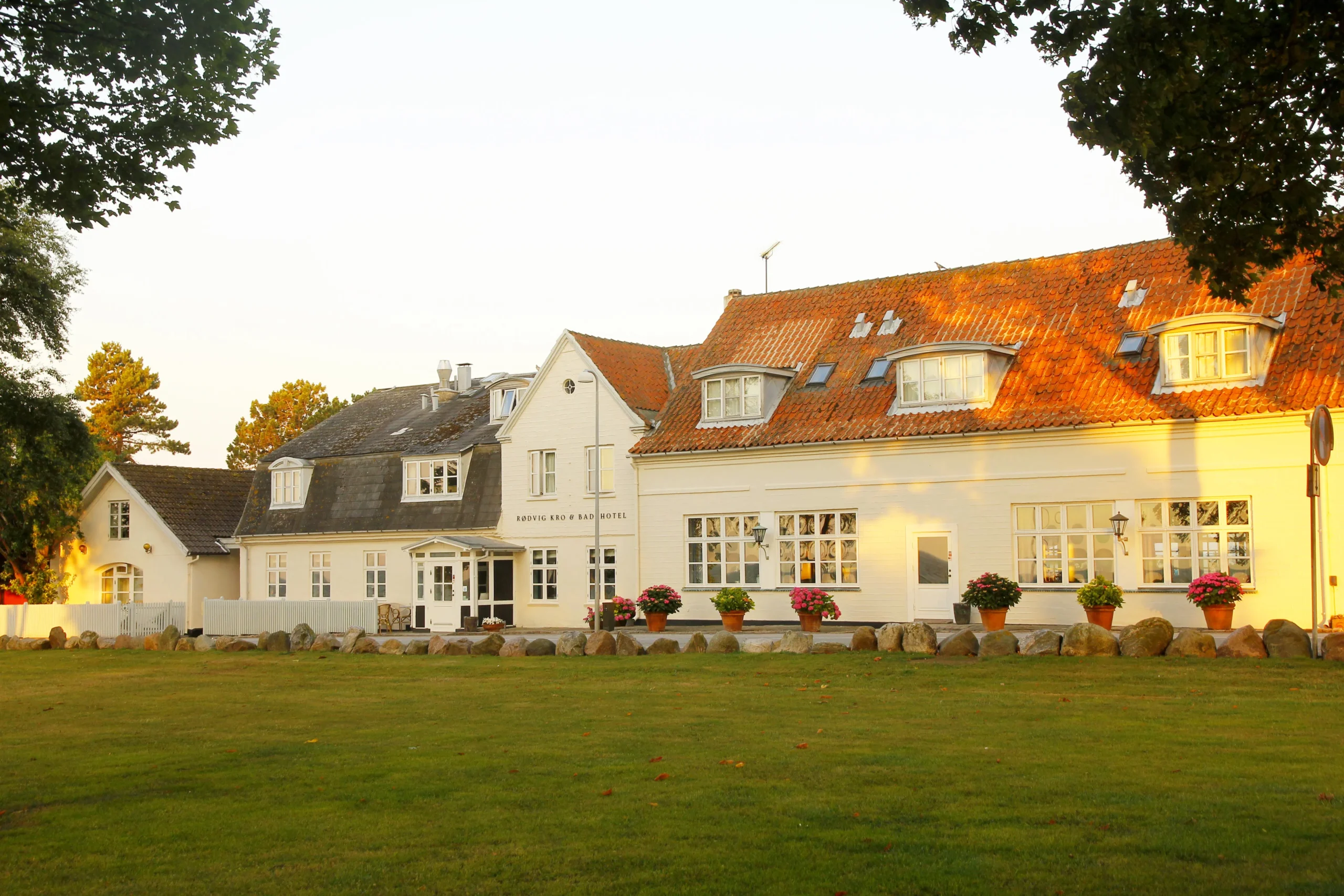
Photo: Rødvig Kro & Badehotel
Across the five different properties, the answer is never simply that they are beautiful, well-designed, or historical.
There must be something real underneath the surface.
A sense of place that could not be replicated elsewhere. People whose connection to the property gives it character. A point of view that feels like its own. A purpose that gives the experience meaning.
The story has to exist beyond the words used to describe it.
Guests must feel it, see it, taste it, and experience it for themselves.
That is where the real value of storytelling lies.
The strongest hotel narratives never begin with “What should we say about this place?
They begin with: What is already here?
When the story is already embedded in the experience, communication does not need to manufacture it. It simply needs to recognize what is distinctive and make it visible.
Guests do not need to be persuaded. They discover it for themselves.
The best hotel stories aren’t invented. They’re lived.
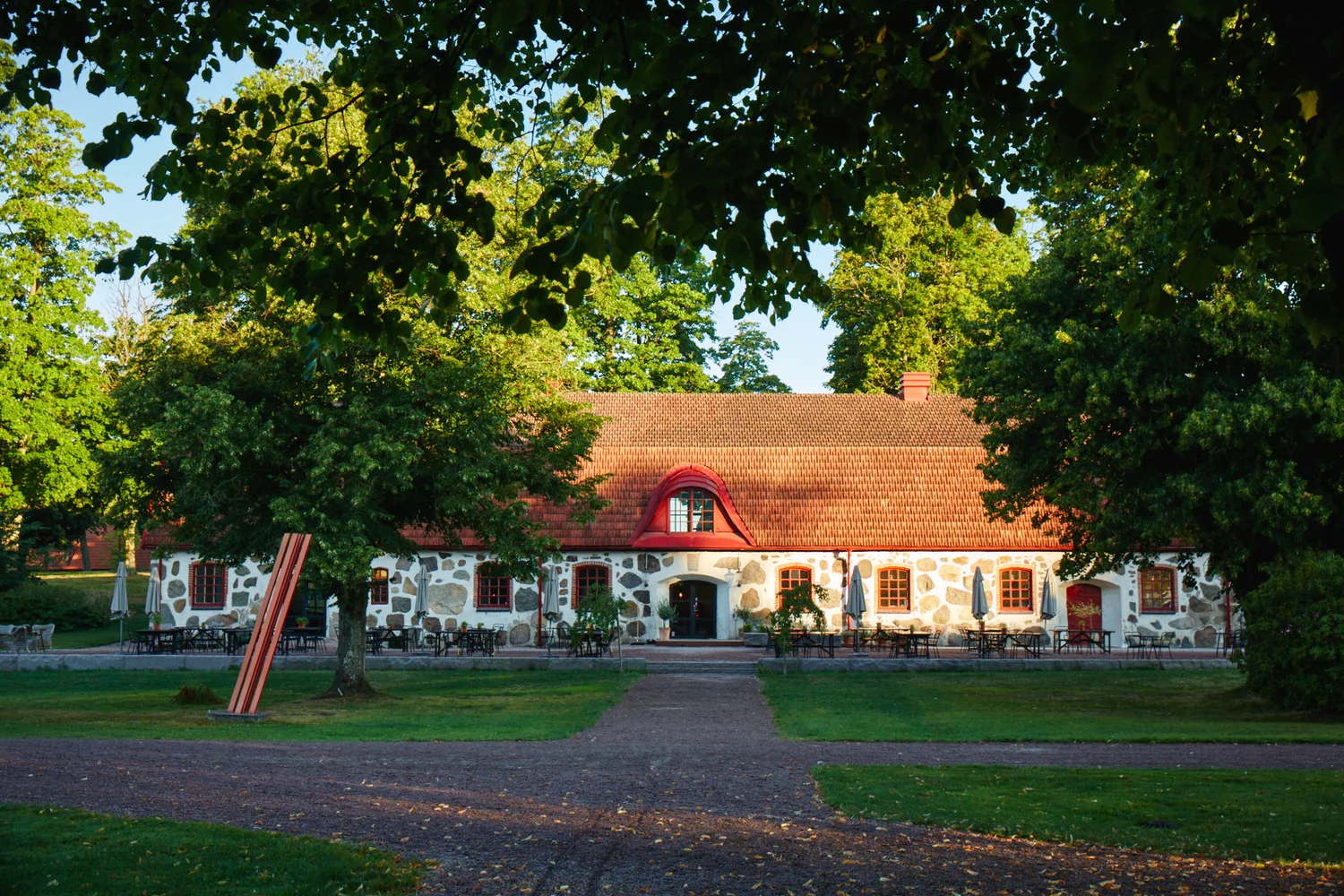 Photo: Wanås Restaurant Hotel / Wanås Konst