Rose PR Header
ROSE Nordic Rose PR


The Quiet Art of Sauna ​

From a wood-heated room in Finland to a floating bathhouse in the fjord of Oslo, sauna has travelled far. Its appeal remains rooted in a distinctly Nordic way of making time for health, connection and wellness. 


The (Hi)story of Sauna

Sauna offers something increasingly rare: an experience that asks for your attention without demanding that you do anything with it.

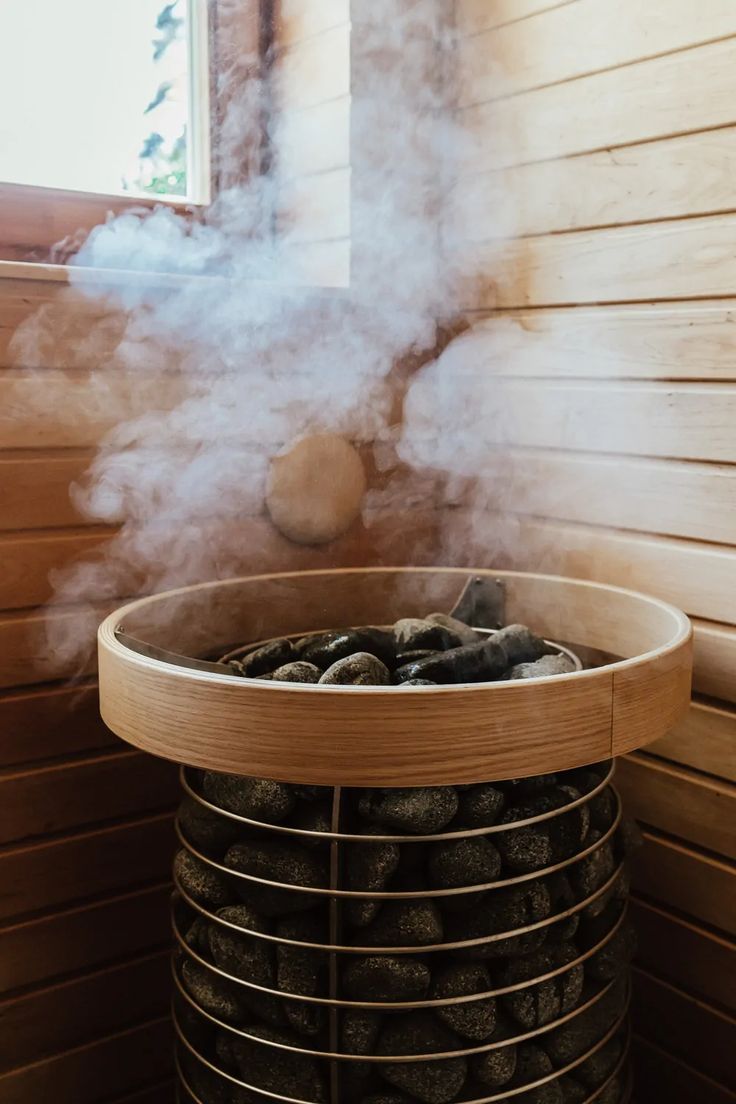
Sauna is a lifestyle. Water meets the stones, heat moves across the room, and everyone sits with it for a while. Then comes the pleasure of stepping outside: into sea air, a cold lake, or simply a place to breathe.

The word sauna comes from Finnish, and Finland remains the heart of the tradition. Its origins reach back centuries, although no one can say precisely when the first sauna was built. Among its oldest surviving forms is the savusauna, or smoke sauna: a wood-heated room without a chimney, warmed slowly and aired before people enter. For generations, the sauna was part of ordinary life: a place to wash, warm up and gather. In earlier times, women also gave birth there. It belonged to homes and communities long before it appeared on spa menus. In 2020, Finnish sauna culture was added to UNESCO’s list of intangible cultural heritage, recognising a living practice passed from one generation to the next.

Similar bathing traditions have existed elsewhere in the world, and there is no single date at which the sauna was invented. Sweden’s bastu and Norway’s badstue have histories of their own, while the Finnish tradition is remarkable for how fully it has endured. The ritual can be as simple as heating the room, pouring water over the stones and staying until it feels time to leave. Finns call the rising steam and the sensation of heat löyly. There is room to return for another round and there is no need to hurry.

Perhaps that helps explain its growing appeal around the world. Sauna offers something increasingly rare: an experience that asks for your attention without demanding that you do anything with it. It is sociable, yet comfortable in silence. It can take place in a striking piece of architecture or a modest wooden room by the water. Either way, the essentials are much the same.

Across the Nordics, each setting gives the ritual a different character. In Finland, public saunas still carry a sense of everyday community. In Copenhagen and Oslo, bathing has become part of life along the harbour. Further north, heat feels especially vivid against a landscape of river, forest and snow. The experience has found new audiences, but its rhythm remains unmistakably Nordic: warm up, step outside, cool down, begin again.


Where to Experience it: 5 Destinations


1. Rajaportin Sauna, Tampere, Finland

For a sense of the tradition’s continuity, start in Pispala. Opened in 1906, Rajaportin is Finland’s oldest public sauna still in use, heated with wood and visited by locals as well as travellers. Come for the history; stay long enough to feel part of an ordinary afternoon. 

2. Löyly, Helsinki, Finland

On Helsinki’s waterfront, Löyly brings contemporary design into conversation with a deeply familiar Finnish ritual. Its public saunas open towards the Baltic Sea, where guests can swim throughout the year. It is a beautiful introduction to the way sauna belongs to the city, as well as to the countryside.

3. Arctic Bath, Swedish Lapland

Set on the Lule River near Harads, Arctic Bath makes the landscape part of the bathing experience. Its circular spa surrounds an open-air cold bath, while the building floats in summer and rests in the ice in winter. The setting is extraordinary, but the invitation is simple: feel the heat, then meet the northern air. 

4. CopenHot, Copenhagen, Denmark

On Refshaleøen, Copenhagen’s former industrial waterfront provides an unexpectedly fitting backdrop for sauna. CopenHot pairs hot rooms with cold water and views across the harbour, giving the ritual an easy, urban energy. It is well suited to an afternoon with friends that stretches into evening. 

5. KOK, Oslo, Norway

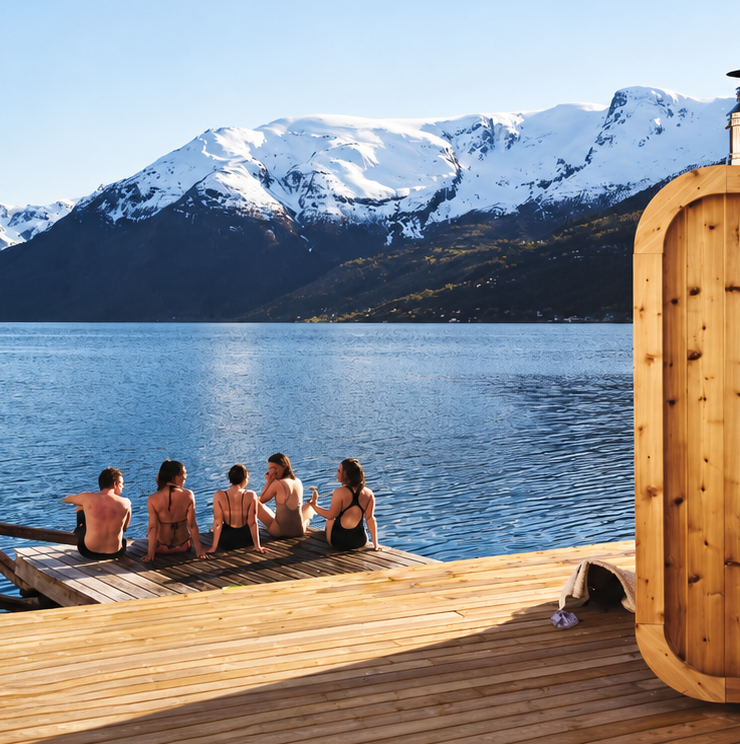
KOK’s floating saunas bring bathers directly onto the Oslofjord. Step out of the heat for a swim, then climb back aboard as the city comes into view across the water. Few experiences make the relationship between a Nordic capital and its coastline feel quite so immediate.

A sauna can be an architectural destination, a weekly meeting place or a quiet room at the end of a long day. Its enduring appeal may be that it leaves space for all three. The heat passes, the air feels sharper, and for a little while, there is nowhere else you need to be.