
Hotel investment is moving across the Nordics, supported by a record summer for international leisure travel. But the region is far from one uniform market – and a strong concept still needs a clear identity, a sound commercial case and the right partners.
There is a lot of momentum in Nordic hospitality. A cooler summer, growing international interest and a steady flow of hotel transactions have put the region firmly on the radar of travellers and investors alike.
Between January and August 2026, €751 million was invested across 22 Nordic hotel transactions, according to CBRE. That represents more deals than during the same period in 2025. And once last year’s unusually large Midstar portfolio transaction is excluded, this year’s investment volume was 5% higher.
The figures point to a market where buyers are active, but selective. That distinction matters: investment interest is real, yet each hotel’s location, concept and potential still have to make sense on their own.

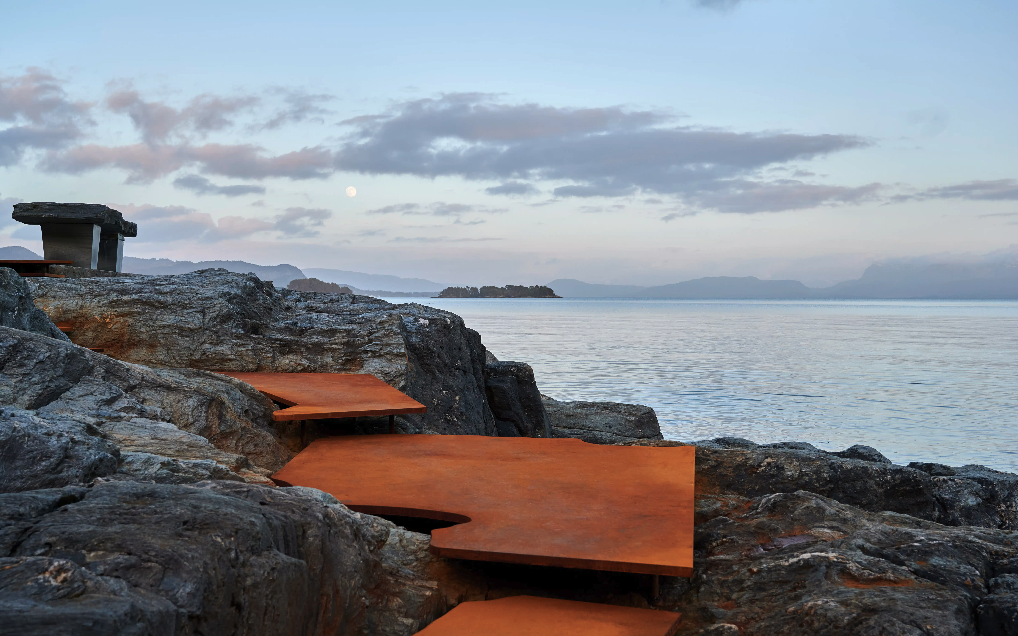
Photo: Solstrand Hotel & Bad, Norway | Visit Bergen
The summer brought a clear signal of the Nordics’ growing appeal as a leisure destination. CBRE reported record numbers of foreign leisure guests across the region, with visitors staying longer and spending more than previously recorded.
In Norway, hotel guest nights exceeded four million in July for the first time since official statistics began in 1986. In Sweden, international guest nights rose by 14%, compared with 3% growth in domestic guest nights. Stockholm’s revenue per available room (RevPAR) increased by 12% to SEK 1,234.
The appeal is not hard to understand. Long summer days, access to nature and a cooler climate are drawing visitors who are looking for experiences that feel different from a conventional city break or beach holiday. Arctic and nature-led destinations have benefited from that interest, while major cities continue to attract leisure, meetings and business travel.
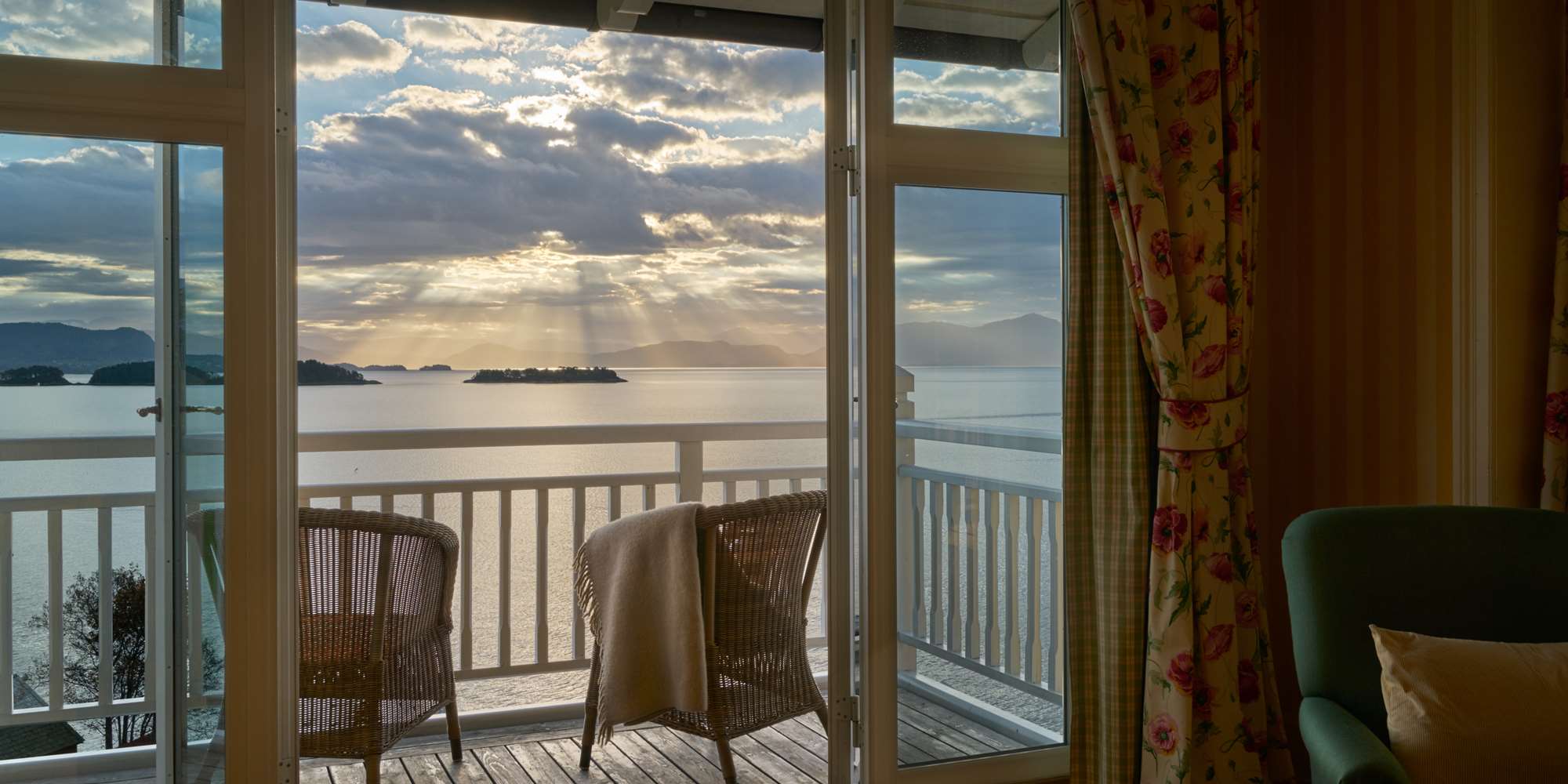
Photo: Solstrand Hotel & Bad, Norway | Visit Bergen
The Nordic market is not a single story. Performance differs between countries, cities and seasons – and the latest capital-city figures make that especially clear.
Nordic Hotel Consulting’s H1 2026 snapshot reports the following average figures for four Nordic capitals:
|
H1 2026 |
Occupancy |
Average daily rate (ADR) |
Revenue per available room (RevPAR) |
|
Copenhagen |
75% |
€170 |
€127 |
|
Stockholm |
73% |
€158 |
€115 |
|
Oslo |
71% |
€151 |
€107 |
|
Helsinki |
59% |
€110 |
€65 |
Copenhagen leads on both rate and RevPAR in this comparison. Helsinki, meanwhile, is operating at a lower level. CBRE’s September update also found that Rovaniemi was Finland’s only city market to record RevPAR growth, while Helsinki, Turku and Tampere softened.
These differences are a reminder that a positive regional outlook does not guarantee the same opportunity everywhere. Demand, seasonality, operating costs, access and the local development pipeline all shape a hotel’s prospects.
Limited new supply put the force on what is distinctive
Supply is another part of the picture. Nordic Hotel Consulting describes new hotel development as limited across much of the region, while CBRE notes that Copenhagen has restricted new hotel development in parts of its city centre.
Where new supply is constrained and demand is growing, existing hotels may have room to strengthen their position. New developments can also benefit – but they need more than a good address. They need a concept that fits its destination and gives guests a reason to choose it.
That could mean a city hotel with a sharper local identity, a resort built around year-round experiences, or a remote retreat whose landscape and community are central to the guest experience. The opportunity is different in each case. What connects the strongest concepts is that they feel specific to their place. .
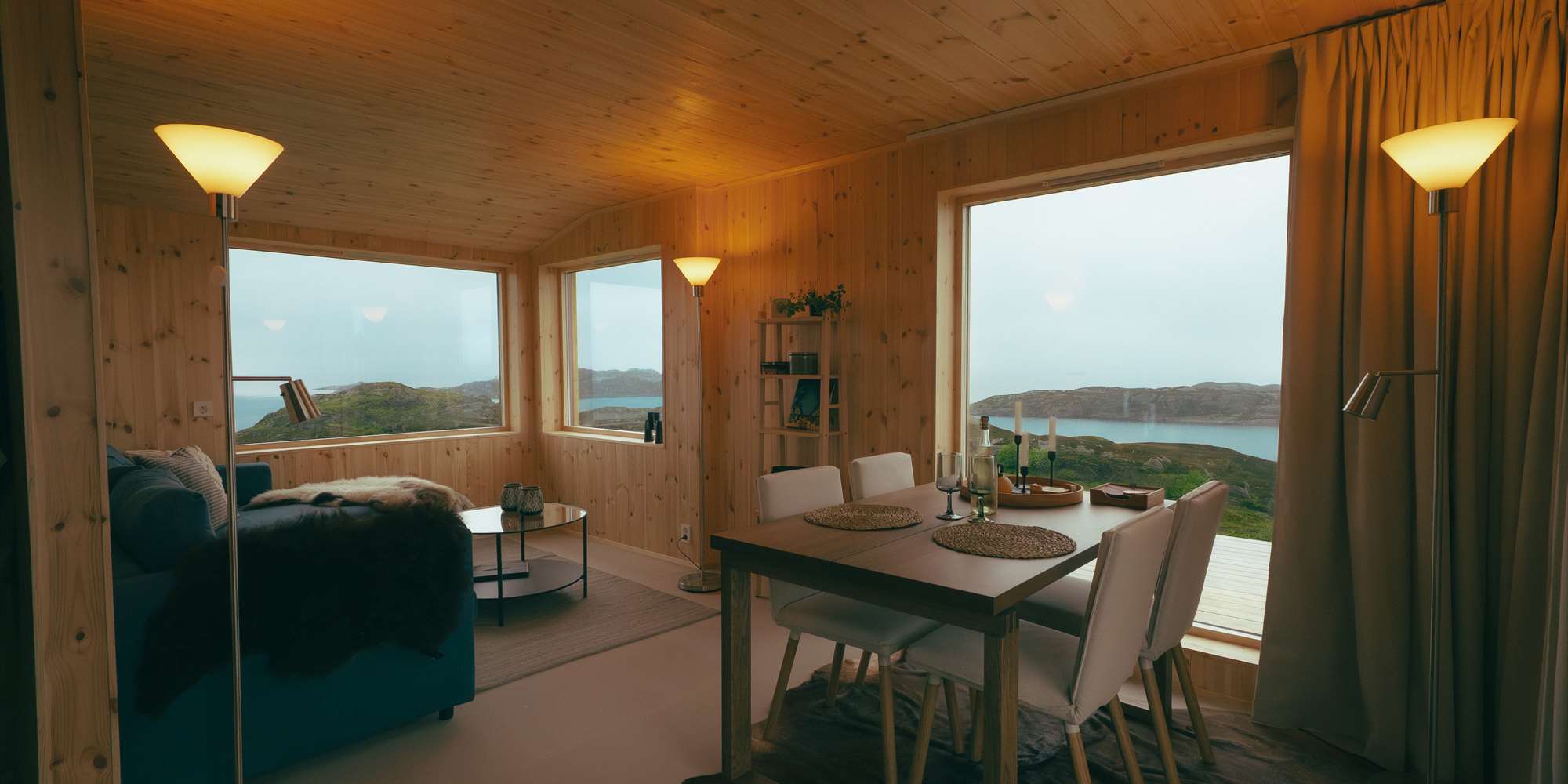
Photo: Hille Island Retreat, Norway | Visit Bergen
Investment figures and visitor growth can open the door, but they do not make a hotel memorable on their own. For established properties, the challenge may be to express what already makes the hotel distinctive. For new developments, it is to define the concept early enough that the positioning, guest experience and commercial story work together.
That story also matters when a project is seeking investment or an operating partner. A clear proposition helps potential partners understand not only what is being built, but why it belongs in that location and who it is designed to serve.
At ROSE Nordic, we work with distinctive hotels and hospitality concepts on positioning, storytelling and visibility across Scandinavia and beyond. We also support selected hotel owners and developers with investor sourcing, helping them identify and approach potential partners for their projects.
A hotel’s sense of place is more than something guests notice. It is what they remember—and what can give a project relevance long after the first wave of market interest.
Sources
—
————